Echoes of Resilience: Finding Strength Through Shared Stories of Survival

Trigger Warning: Please be advised that the following content includes discussions and depictions of sexual assault which may be distressing for some readers. Reader discretion is advised.

At 18, I turned to my cherished Madrina (God Mother), seeking solace from a deep-seated pain that stemmed from a sexual assault when I was 14. The path to healing seemed obscured, especially after finding little understanding among other adults. My Madrina, understanding the gravity of my struggle, suggested I confide in my Padrino (God Father). Despite my reservations, given his advanced age and the distance that separated me from the source of my trauma, I approached him.

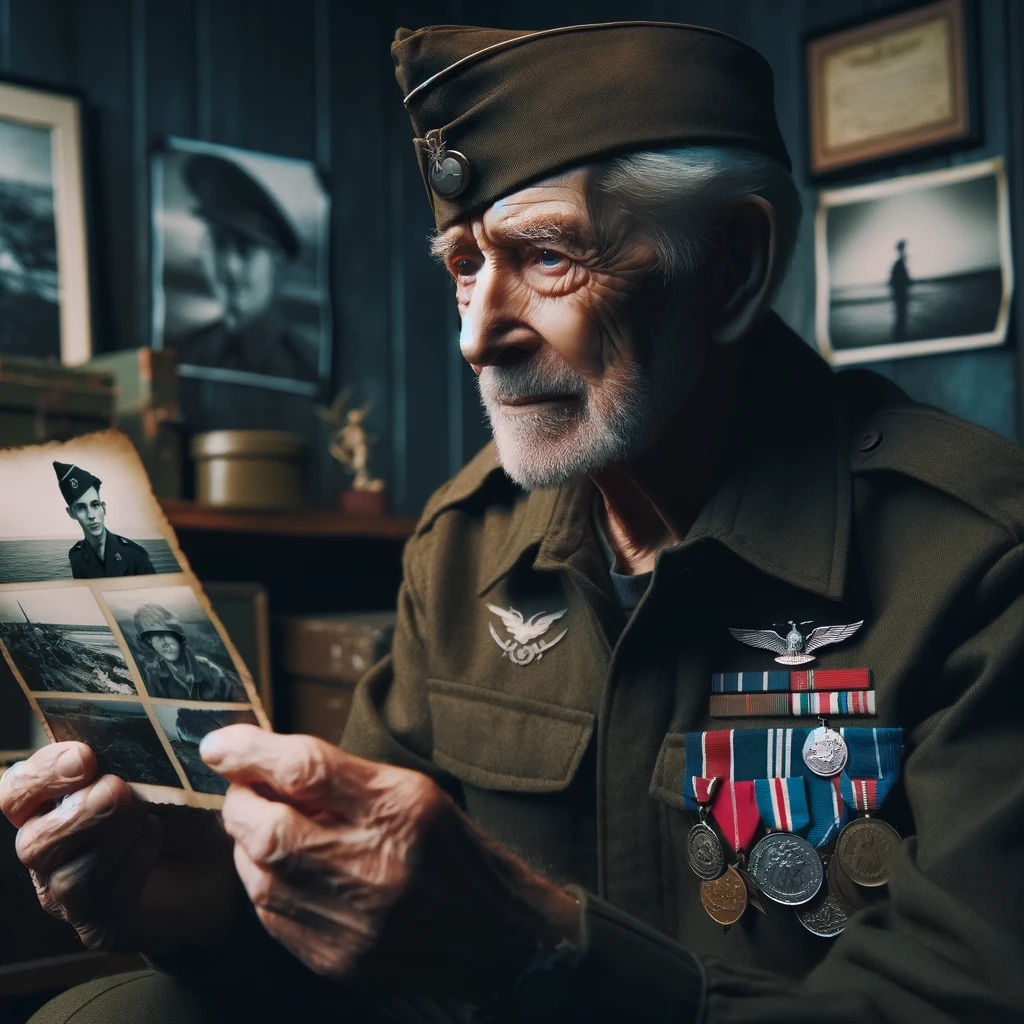
My godfather, a revered veteran who had survived unimaginable hardships as a prisoner of war during World War II, offered his ear and heart. In our conversation, he shared his own harrowing tale of survival and loss, drawing parallels to the resilience of the human spirit. He revealed the depths of his suffering during the Bataan Death March, not for sympathy, but to illuminate a path forward for me. I’ll never forget these words “The Japanese soldiers tortured us in ways that they thought would take away what made us men” he then told me the story about how he was held down and forced to watch as they cut off his testicles. “They thought they took away my ability to have children, but look at me right now, sitting here talking to my daughter”. Through his story, he imparted a profound lesson about the indomitability of our inner selves, regardless of the external forces that seek to challenge us. 
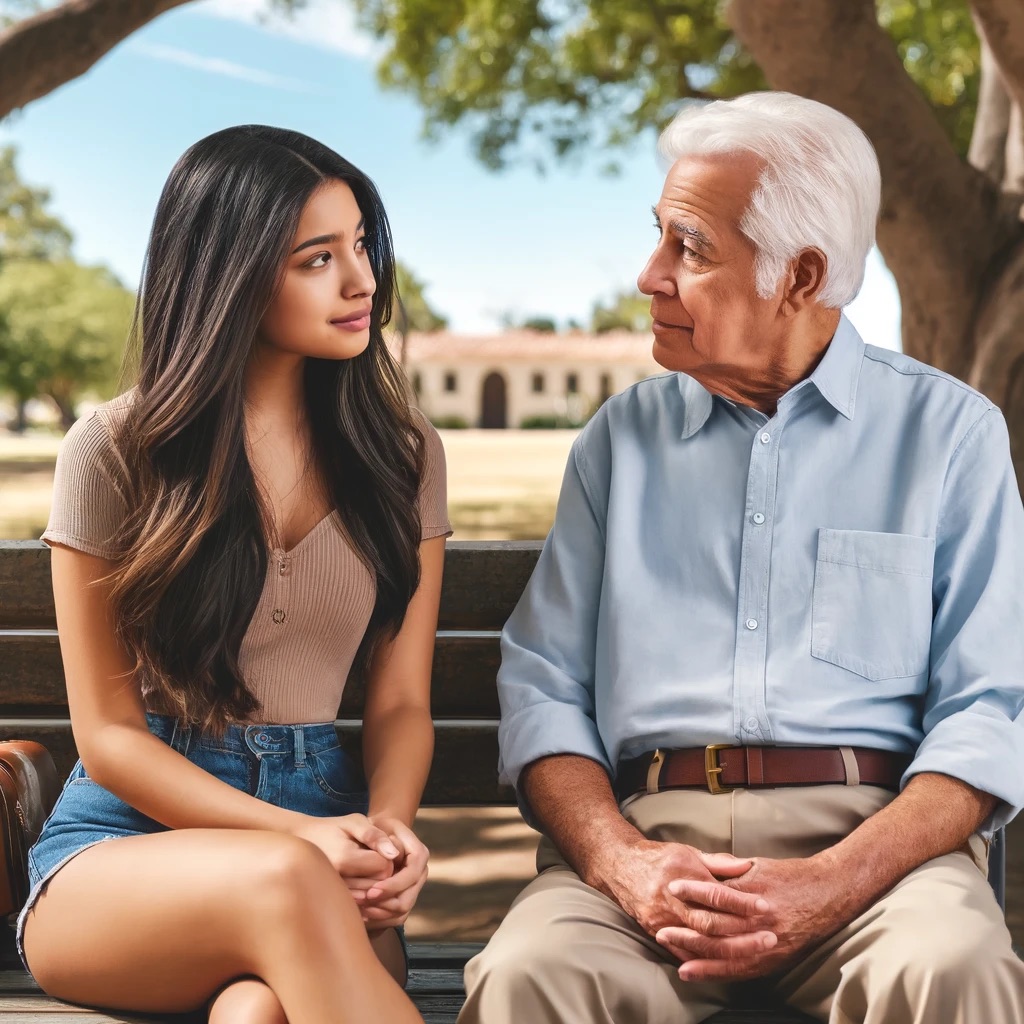
This exchange with my godfather became a cornerstone of my journey toward healing. He demonstrated that vulnerability and strength are not mutually exclusive but are intertwined in the fabric of resilience. His experiences, marked by both pain and triumph, taught me that our past does not dictate our future. 

His legacy of courage and compassion continues to inspire me. It reminds me that, in facing life’s adversities, we can draw on our experiences to find strength and understanding. His life story, a testament to overcoming, guides me through my own challenges, reinforcing the belief in the enduring power of the human spirit to heal and thrive. 

Always forward.

Turning the Page: A Story of Transformation and Leadership.

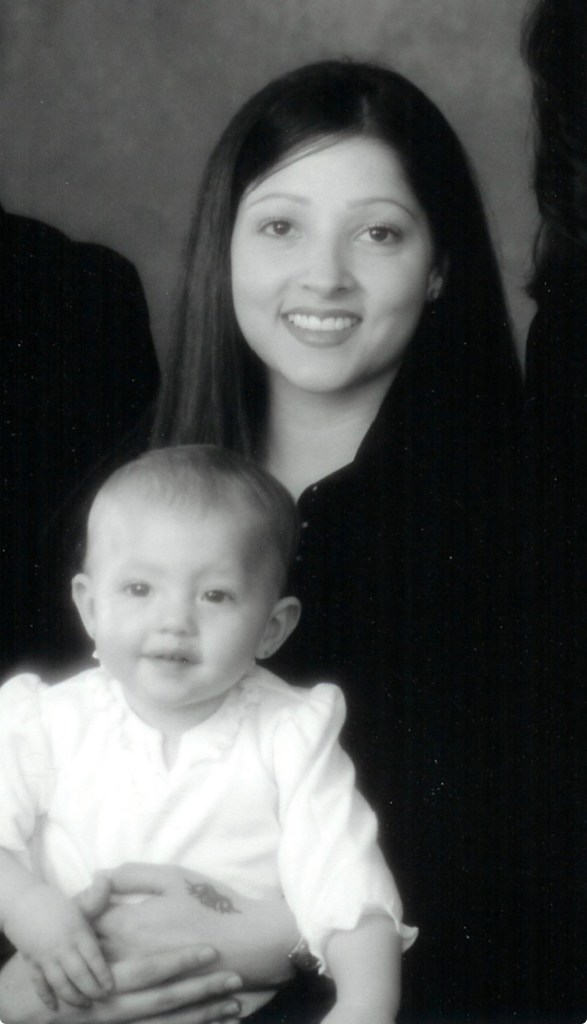
In the heart of New Mexico’s desert landscapes, my journey unfolded within the DoD Innovative Readiness Training Taskforce. At 23, I, found myself deeply embedded in the military’s operations, often presenting to Army General Officers at Joint Task Force-North. Despite my achievements and dedication, there was a part of me that felt out of place, marked by the tattoos on my hands – remnants of a past life, symbols from a chapter I wished to close. These tattoos, gang symbols from before I found refuge and purpose in the military at seventeen, were a stark contrast to the person I had become. Being a single mother added another layer to my desire to erase these marks; I wanted to present the best version of myself to my child and not be judged for the missteps of my youth.

Me at age 23 pictured with my daughter, Jaedon age 1.

Feeling weighed down by these visual reminders of my past, I sought the counsel of my Command Sergeant Major, a person of wisdom and respect. I opened up about my desire to have the tattoos removed but was hindered by the financial burden it entailed. It was a moment of vulnerability, sharing a part of my story that I had kept shielded under the rings on my fingers and the sleeves of my uniform.

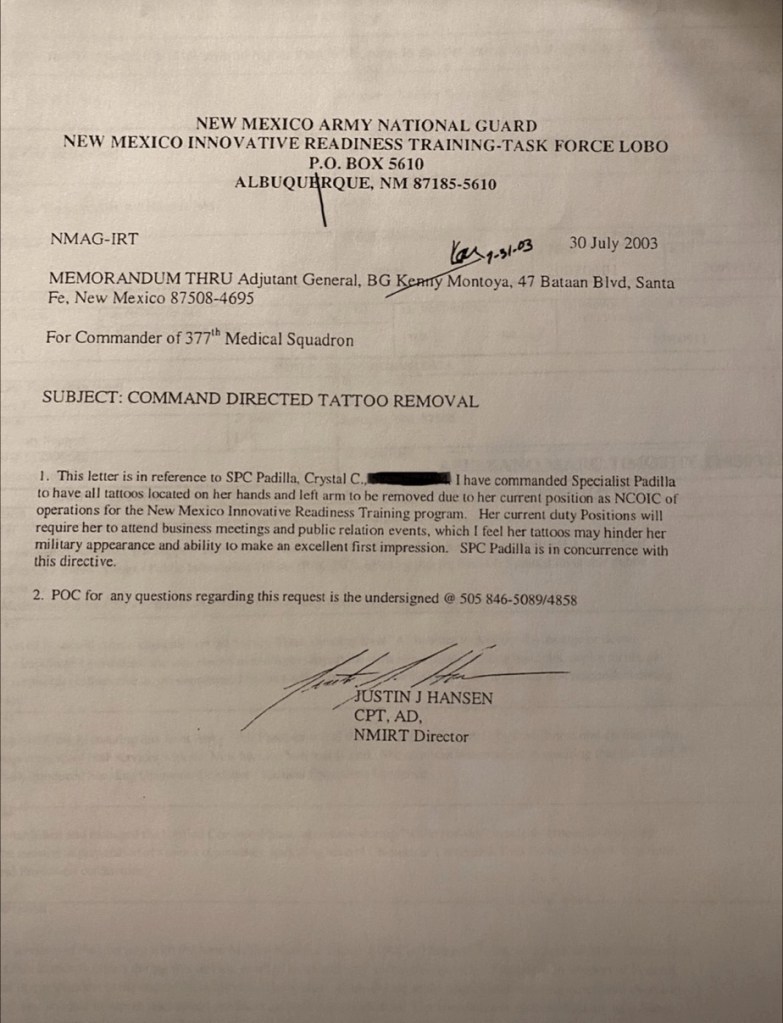
To my surprise and relief, the Command Sergeant Major took my concern to heart. He saw beyond the request, understanding the profound impact such a gesture could have on my life and career. He proposed a plan to The Adjutant General, suggesting a command directive that would allow me to have the tattoos removed without any cost to me. The Adjutant General’s agreement to this plan was a turning point for me.

The day I received the memorandum command directing tattoo removal , my world changed. It wasn’t just a document; it was a symbol of faith, an acknowledgment of my growth, and an investment in my future. The subsequent removal of the tattoos was transformative, not just physically, but emotionally and psychologically. It was as if I had been given a clean slate, an opportunity to redefine myself and stride forward without the weight of my past judgments.

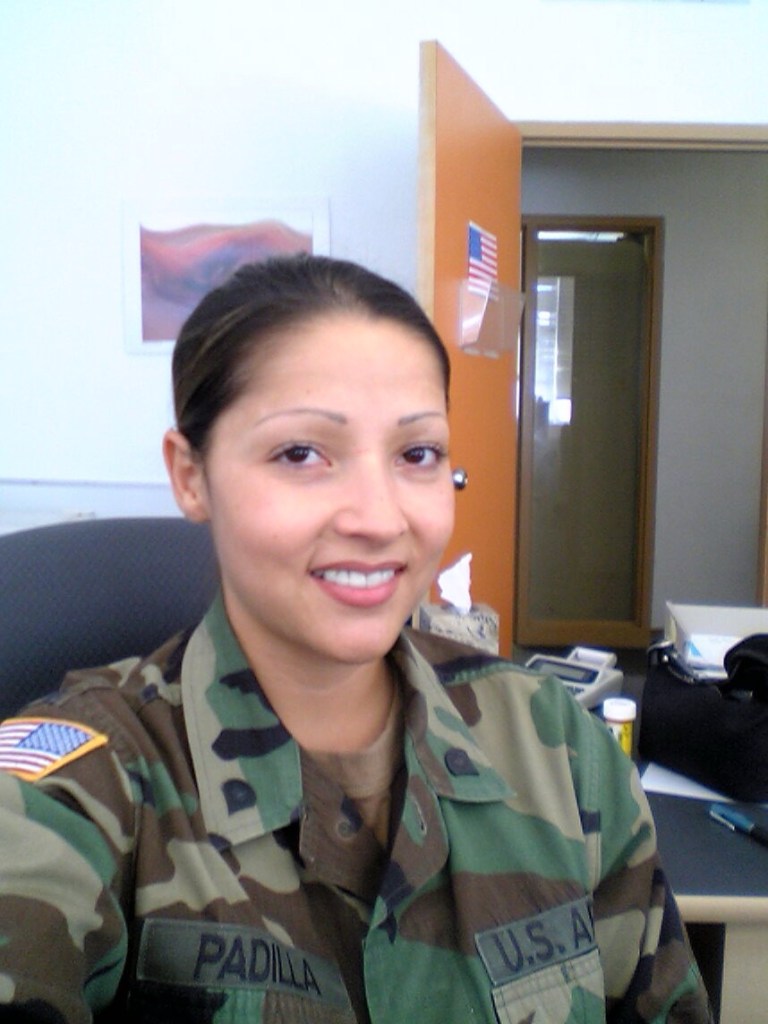
Pictured in my office at Kirtland Air Force base where NM-IRT headquarters was located.

This experience taught me an invaluable lesson about leadership and compassion. It underscored the profound difference that support and belief in someone’s potential can make. My leaders didn’t just see me for who I was or where I had been; they saw me for who I could become. Their investment in me was a testament to the idea that when we lift others up, we foster an environment of growth, respect, and mutual support.

The story of how my leadership helped me close a chapter of my past and confidently face my future is one I hold close to my heart. It’s a reminder that everyone has the power to change their narrative, especially when there are people who believe in and support them. It’s a lesson I will carry with me always: invest in people wherever and whenever you can. It truly makes all the difference.

Always forward.

The Hidden Gift in Disappointment and Betrayal Trauma: A Testament to Courage.

I’ve been reflecting deeply on the paradoxical blessing of disappointment. It’s a common experience to feel a sense of shame when we encounter failures, rejections, or the end of relationships. I recently fell into this trap myself. However, it’s crucial to recognize that disappointment is actually a testament to bravery. It signals that you had the courage to invest emotionally, to strive, and to pursue your desires wholeheartedly.

Yet, there’s another layer to this, particularly when disappointment stems from betrayal. Betrayal trauma occurs when someone we deeply trust or depend upon lets us down in a profound way. This type of disappointment is not just about unmet expectations but a profound violation of trust. It shakes the foundation of what we believed was secure, questioning our judgment and our capacity to trust.

Nevertheless, even in the throes of betrayal trauma, there’s a hidden gift. It’s an opportunity to confront our deepest vulnerabilities and fears, to understand our capacity for resilience, and to ultimately grow from the experience. Just as disappointment in other areas of life shows we dared to dream and reach for what we wanted, navigating through betrayal trauma reveals our strength to face profound emotional challenges, learn from them, and emerge stronger.

So, celebrate yourself. In a world where apathy and half-hearted efforts are all too common, you’ve shown that you’re willing to be fully present and engaged, even at the risk of pain. That’s not just brave; it’s profound.

Always forward.

Stop letting it slide

Mel Robbins’ found a quote, “Letting things slide to ‘keep the peace’ only starts a war inside of you,” speaks volumes about the internal conflict and turmoil that arise when we suppress our true feelings, values, or convictions to avoid external conflict or confrontation. This suppression, especially in the context of moral injury, whether stemming from military service or enduring a relationship with a toxic individual, exacerbates the trauma by silencing our voice and minimizing our internal struggles.

My reflection on the military’s NCO Corps highlights a systemic issue where speaking up against wrongdoing is often met with punitive actions, further entrenching the moral injury. This culture of silence not only undermines the integrity and morale of the organization but also leaves individuals in a perpetual state of internal conflict, battling between their moral beliefs and the survival instinct to avoid retribution.

The trauma associated with moral injury, particularly in environments that discourage open dialogue and punish dissent, can deeply affect one’s ability to advocate for oneself. It reinforces a cycle of silence and suffering, making it challenging to address and heal from the underlying moral conflict.

My insight into the importance of discussing these issues is crucial. Conversations about moral injury, its impact, and the systems that perpetuate it are vital for healing and change. They help validate the experiences of those suffering in silence, offering them a sense of solidarity and understanding. Moreover, these discussions can pave the way for creating more supportive and ethical environments where individuals feel empowered to speak up without fear of retribution.

Healing from moral injury involves recognizing the depth of the internal conflict, understanding that the impulse to “keep the peace” at the expense of one’s moral integrity can lead to greater internal strife, and finding safe spaces to express and process these conflicts. It’s about rebuilding trust in oneself and in systems that may have failed to protect or support ethical stances. Support from peers, therapy, and community resources can offer pathways to healing, allowing individuals to reconcile with their past actions or inactions and to forge a more peaceful internal existence.

Let this be a reminder that while the journey towards healing is deeply personal, no one has to walk it alone.